
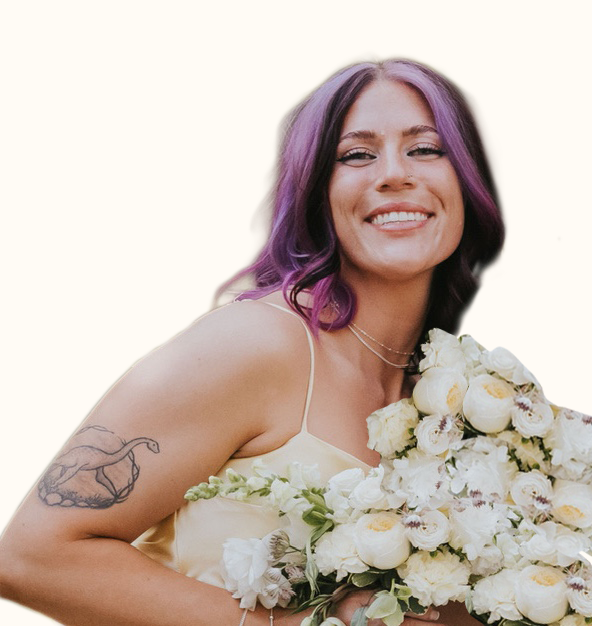
I transform ideas into meaningful experiences
Research-driven UX/UI Designer specializing in accessible , user-centered design that drives measurable business impact
My Focuses:
Trusted by





FEATURED WORK
Recent Projects
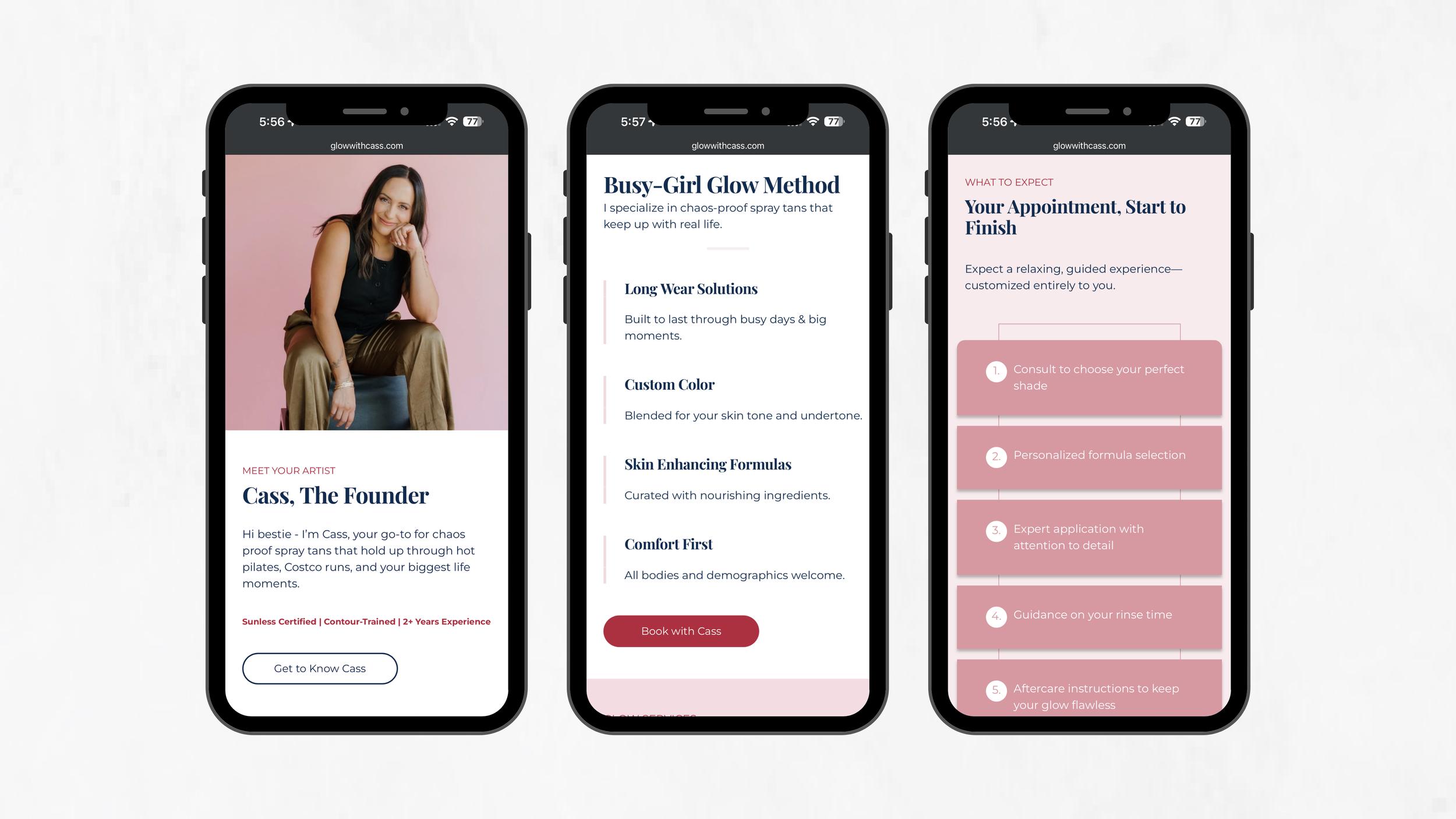
Client Project · UX Researcher, UX/UI Designer & CMS Developer
Turning Social Proof Into Conversion for a Local Service Business
Over 10–12 weeks, I researched, designed, and built a responsive website that reduces booking anxiety, strengthens trust, and streamlines scheduling for a growing spray tanning business.
Client Project · UX Designer & CMS Developer
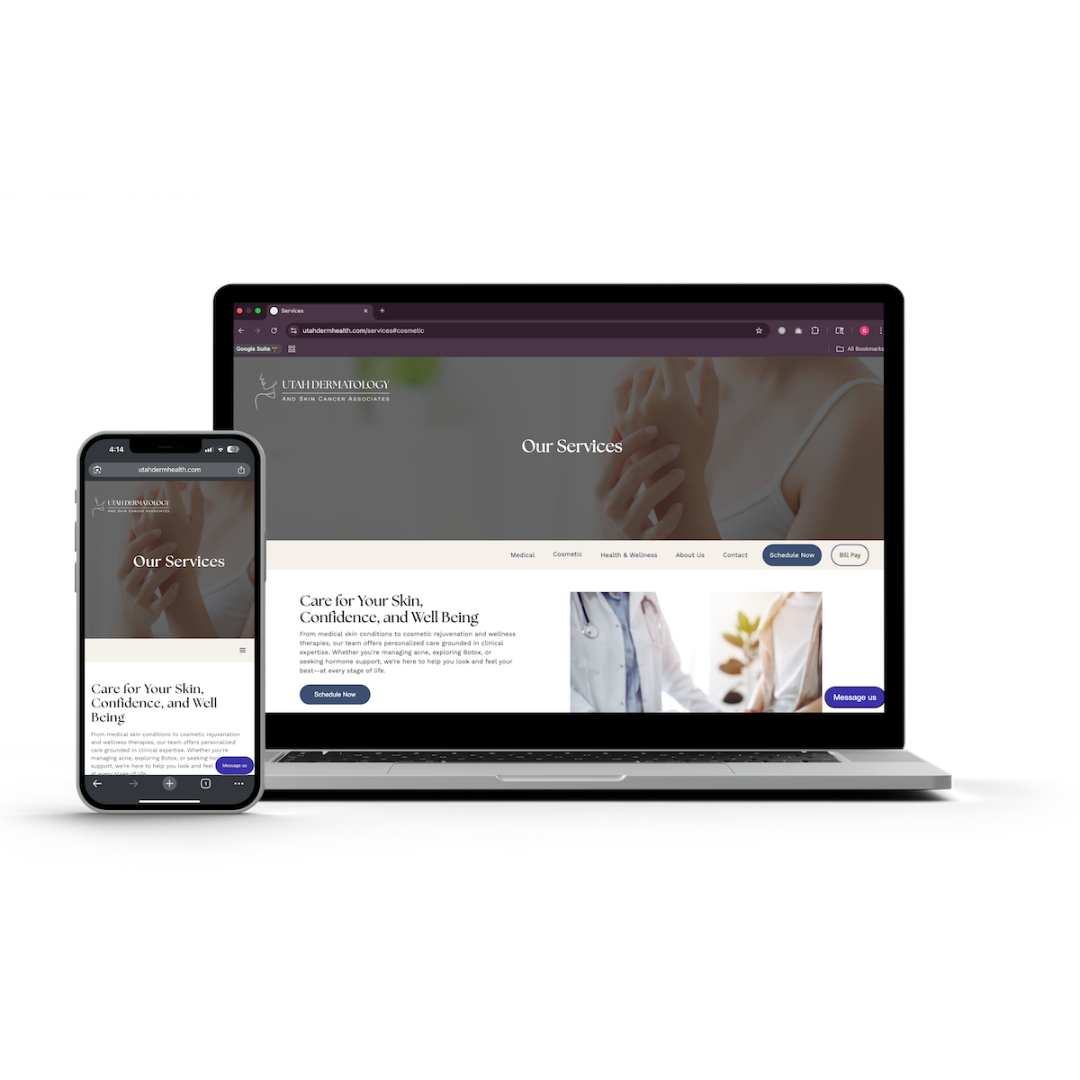
Designing for Dual Demographics: A Dermatology Website That Speaks to All Ages
Designed and developed a responsive dermatology website that balances the needs of older medical patients and younger cosmetic clients by segmenting user pathways, strengthening trust signals, and simplifying appointment scheduling.
Client Project · UX Researcher & Designer & CMS Developer
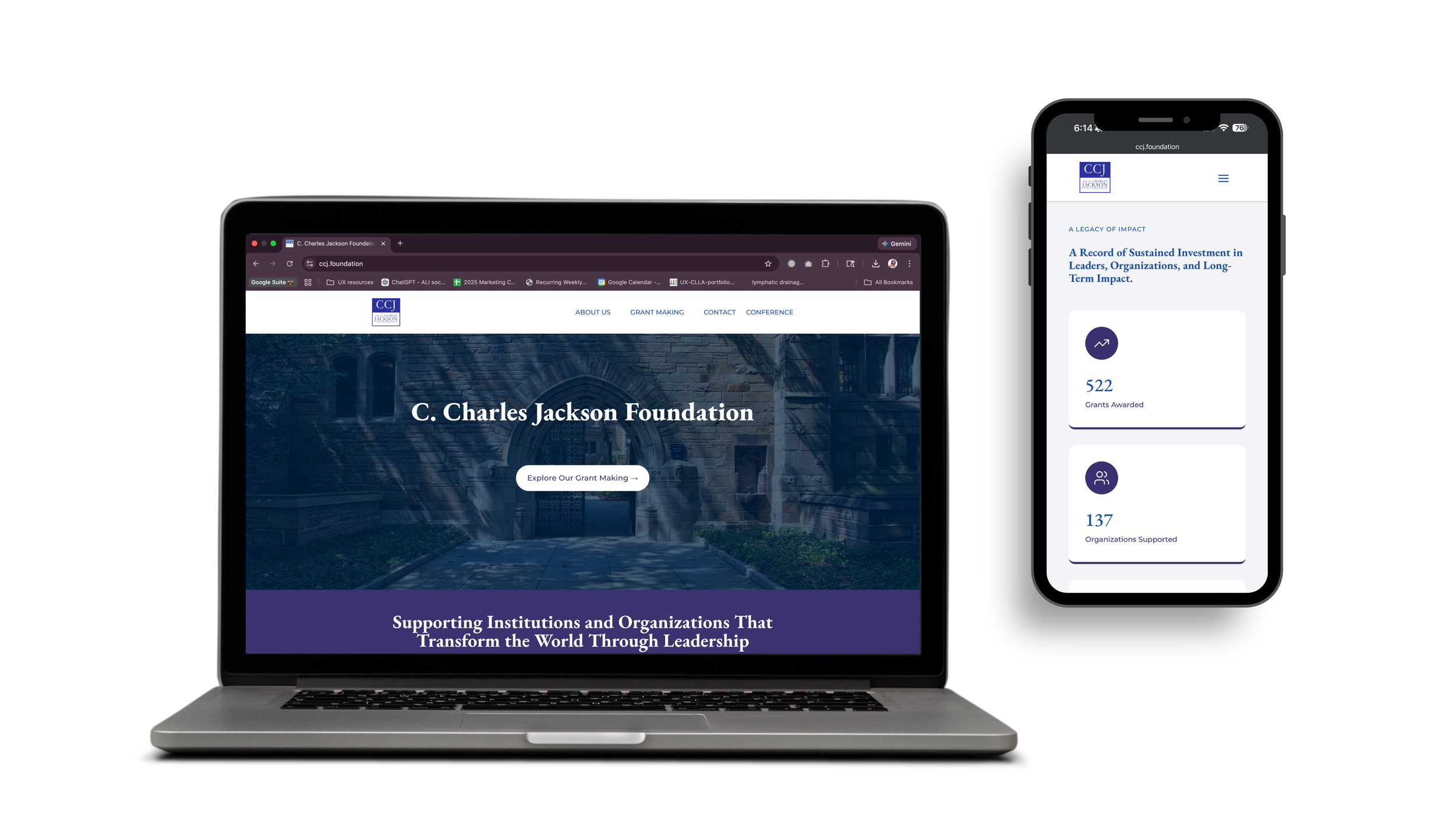
Redesigning a Grant Invitation Website for Institutional Clarity
Led a full redesign of a nonprofit foundation website to reduce ambiguity, improve navigation, and guide qualified institutions through an abstract submission process.
Personal Research Project · UX Researcher & Designer
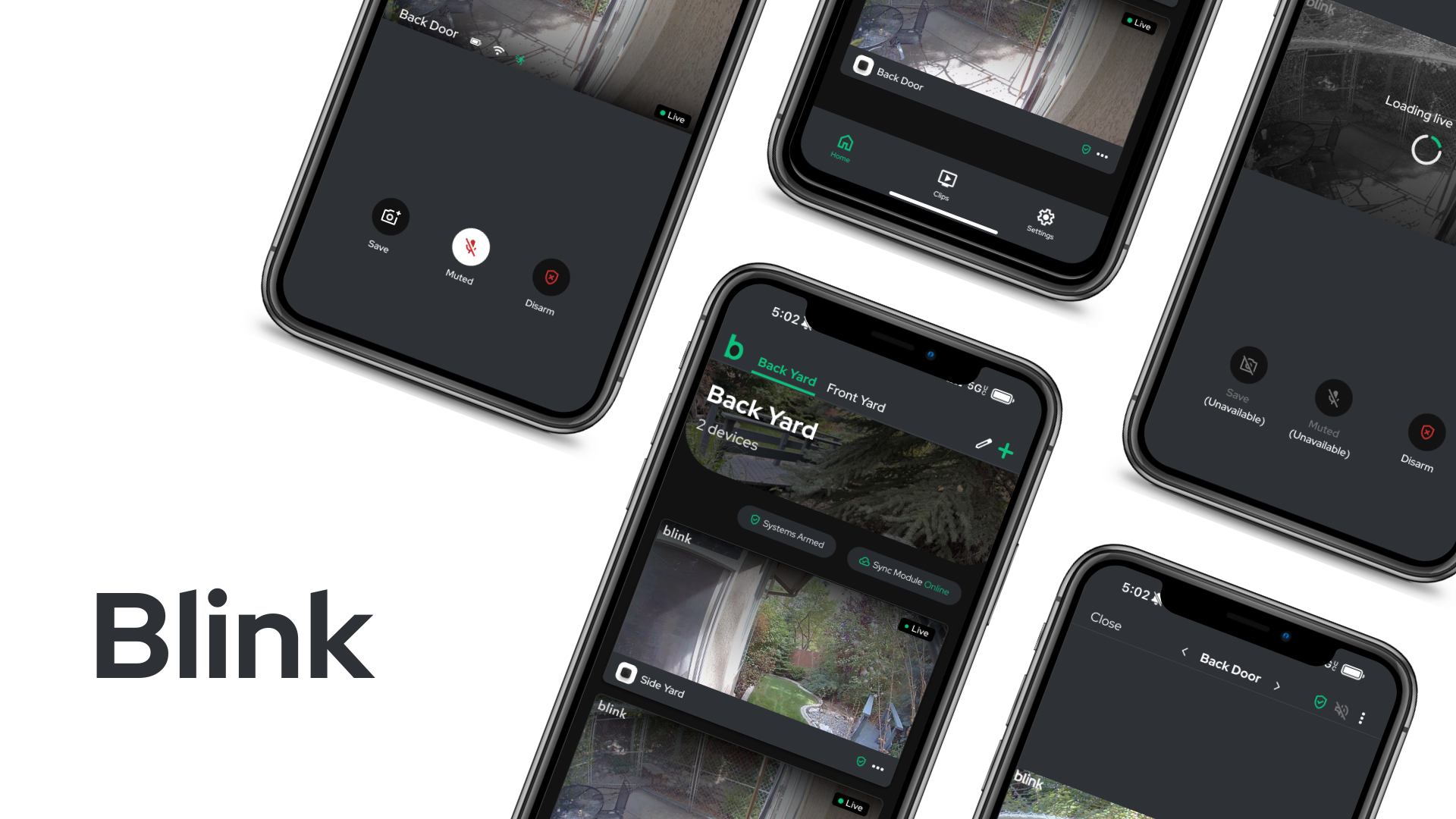
Improving the Camera Live-View in Blink: A 7-Day UX Sprint
In 7 days, I redesigned Blink’s live-view functionality to give users more control over their viewing experience.

My Design Process
Research-driven, iteration-focused & built for real people.

I
Research & Discovery
User interviews, competitive analysis, and stakeholder alignment to understand the problem space.

II
Ideation & Strategy
Brainstorming solutions, creating user flows, and defining information architecture.
III
Design & Prototype
High-fidelity designs, interactive prototypes, and design system integration.

IV
Test & Iterate
Usability testing, gathering feedback, and refining the design based on real user data.